
How to Manage Anxiety and Stress: A Practical Guide to Daily Coping

Anxiety and stress are common experiences that can significantly impact your well-being. Learning how to manage these emotions is essential for leading a balanced and healthy life. In this guide, we will explore various techniques and strategies to cope with anxiety and stress on a daily basis. Whether you're looking for simple relaxation techniques or more comprehensive methods, this article offers valuable insights to help you take control of your mental health.

Understanding Anxiety and Stress
Anxiety is characterized by feelings of worry, nervousness, or unease, typically about something with an uncertain outcome. Stress, on the other hand, is the body's reaction to any change that requires adjustment or response. While stress can sometimes be beneficial (e.g., motivating you to finish a task), chronic anxiety and stress can lead to physical and mental health problems if not managed properly.
Recognizing the Symptoms
Understanding the symptoms of anxiety and stress is the first step in managing them effectively. Common signs of anxiety include:
- Racing thoughts
- Restlessness
- Rapid heartbeat
- Difficulty concentrating
- Fatigue
Stress can manifest in physical ways such as headaches, muscle tension, sleep disturbances, and digestive issues. Recognizing these symptoms early can help you take action before they escalate.
Effective Coping Strategies
Once you recognize the signs of anxiety and stress, it's time to implement strategies that can help alleviate these feelings. Below are several techniques that you can incorporate into your daily routine:
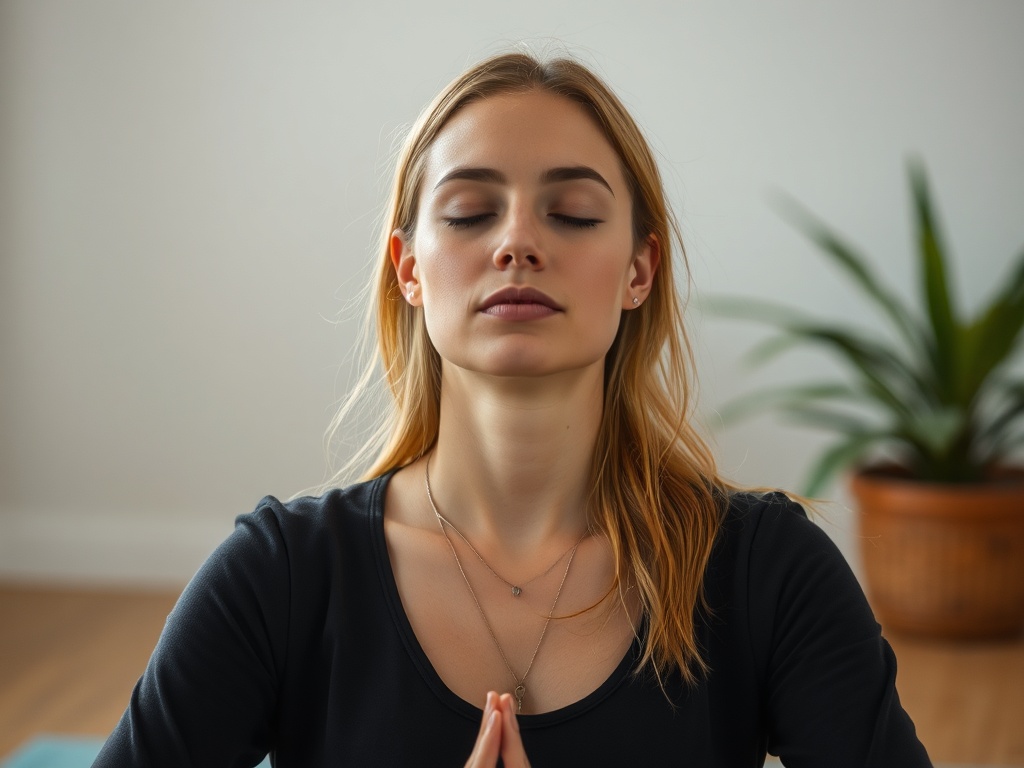
1. Practice Mindfulness and Meditation
Mindfulness involves paying attention to the present moment without judgment. By focusing on your breath and the sensations in your body, you can calm your mind and reduce the intensity of anxious thoughts. Meditation is a great tool for cultivating mindfulness. Even just five to ten minutes a day can significantly improve your ability to manage stress and anxiety.
2. Deep Breathing Exercises
Deep breathing is a simple yet powerful technique that can help you relax when you're feeling overwhelmed. Try the following exercise:
- Inhale slowly through your nose for a count of four.
- Hold your breath for a count of seven.
- Exhale slowly through your mouth for a count of eight.
Repeat this process for several minutes until you feel more grounded and relaxed.
3. Exercise Regularly
Physical activity is an excellent way to reduce stress and anxiety. Exercise releases endorphins, which are natural mood elevators. Aim for at least 30 minutes of moderate exercise a few times a week. Activities like walking, yoga, or cycling can help you relax while improving your physical health.
4. Get Adequate Sleep
Sleep and mental health are closely linked. Lack of sleep can worsen anxiety and stress, making it harder to cope. Establish a bedtime routine that promotes restful sleep, such as turning off electronics an hour before bed and creating a calming environment.
5. Connect with Others
Social support is a powerful tool for managing stress. Talking to friends, family, or a therapist can help you feel heard and understood. Sometimes, just expressing your feelings can lighten the emotional load.
Self-Care Practices for Ongoing Stress Management
In addition to daily coping techniques, practicing self-care can help you build resilience to anxiety and stress. Here are a few self-care activities to consider:
1. Take Time for Yourself
Engage in activities that bring you joy and relaxation. Whether it's reading, taking a warm bath, or enjoying a hobby, carving out time for yourself each day can make a significant difference in how you manage stress.
2. Set Boundaries
Learning to say no and setting boundaries with others is essential for maintaining mental health. Overcommitting yourself can lead to burnout and increased stress. Make sure you're prioritizing your needs and well-being.
3. Practice Gratitude
Focusing on what you're grateful for can shift your mindset and reduce feelings of stress. Try keeping a gratitude journal where you write down three things you're thankful for each day.
Conclusion
Managing anxiety and stress requires both immediate coping techniques and long-term lifestyle changes. By incorporating practices such as mindfulness, deep breathing, regular exercise, and self-care into your daily routine, you can significantly reduce the impact of stress on your life. Remember, it's okay to ask for help when needed, and taking small steps each day can lead to lasting improvements in your mental health.