
15 Practical Daily Habits That Actually Reduce Anxiety (Without Overhauling Your Life)

Anxiety advice often comes packaged as a total life reset: wake up at 5am, meditate for an hour, journal, run, eat perfectly, repeat. That’s not how most people live. And more importantly, it’s not how change sticks.
What actually works is smaller. Less dramatic. Slightly inconvenient, but doable. The kind of habits you can repeat even on bad days — especially on bad days.
This list focuses on what moves the needle without pretending you’re a different person tomorrow morning.
1. Start Your Day Without Immediate Input

If your first move is checking notifications, your nervous system starts reactive. You’re not choosing your thoughts — they’re being assigned to you.
Try a 5–10 minute buffer before looking at your phone. Sit, stretch, stare at nothing. It feels pointless at first. That’s the point. You’re reclaiming baseline calm before the world interrupts.
2. Use a “Two-Minute Reset” Rule

Anxiety builds fast because we rarely interrupt it early. A two-minute reset is simple: stop what you’re doing, breathe slowly, and notice five physical sensations around you.
This isn’t magic — it’s interruption. You’re breaking the loop before it compounds.
3. Lower the Bar on Productivity

Most anxiety is tied to unrealistic expectations. You think you should do more, be faster, perform better.
Instead, define a “minimum viable day.” What’s the smallest version of success? Hit that first. Everything else becomes optional, not pressure.
4. Stop Doomscrolling in Specific Time Blocks
Quitting entirely isn’t realistic for most people. But limiting exposure is.
Pick two windows (for example, lunch and evening) where you allow scrolling. Outside of that, treat it like background noise you don’t engage with.
5. Walk Without Audio

Constant input keeps your brain overstimulated. Walking without music or podcasts gives your thoughts space to settle.
At first, it feels boring. Then it feels relieving.
6. Name the Exact Fear

Anxiety thrives on vagueness. “Everything feels wrong” is hard to manage.
Write down the specific fear: “I’m worried I’ll mess up this meeting.” Clarity reduces intensity because your brain can now work with something concrete.
7. Reduce Decision Fatigue

Too many small decisions drain mental energy and increase stress. Simplify repetitive choices — meals, outfits, routines.
Fewer decisions mean more bandwidth for what actually matters.
8. Build a “Default Calm” Routine

Have a go-to sequence when anxiety spikes: maybe tea, a short walk, and a shower. No thinking required.
You’re not deciding how to cope in the moment — you’re following a script you’ve already written.
9. Limit Caffeine Strategically

Caffeine isn’t the enemy, but timing matters. Drinking it on an empty stomach or late in the day amplifies anxiety for many people.
Shift it later, reduce the amount, or pair it with food. Small tweaks, noticeable difference.
10. Do One Thing Slower Than Necessary

Anxiety accelerates everything — thoughts, speech, movement.
Pick one daily task (washing dishes, making coffee) and do it deliberately slower. It signals to your nervous system that urgency isn’t required.
11. Stop Trying to “Fix” Every Feeling

Not every anxious moment needs intervention. Sometimes the effort to eliminate it makes it worse.
Let it exist without reacting. Many waves pass faster when you stop fighting them.
12. Track What Actually Helps
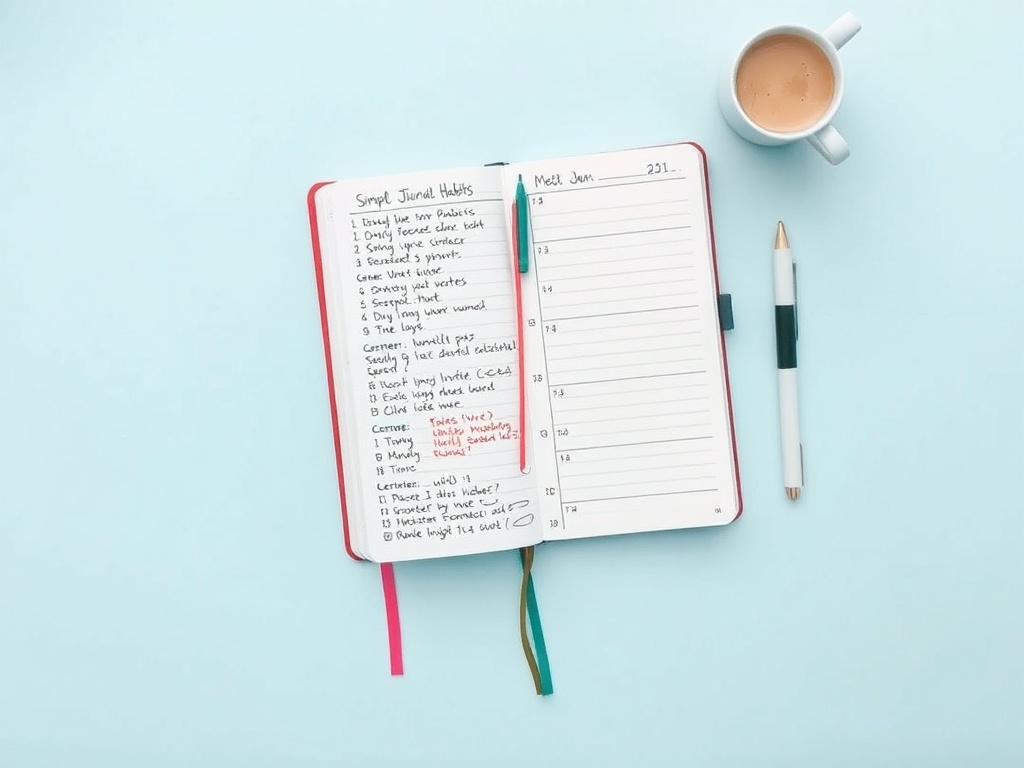
Most people guess what works. Instead, note what reduces anxiety even slightly — sleep, movement, social time, breaks.
Patterns emerge quickly when you pay attention.
13. Adjust Your Information Diet

Your mental state is heavily influenced by what you consume. If your inputs are chaotic, your thoughts will be too.
Unfollow, mute, or reduce sources that consistently spike stress.
14. Build Micro-Connections

You don’t need deep conversations every day, but small interactions matter. A quick chat, eye contact, or a simple greeting can ground you.
Isolation amplifies anxiety. Connection reduces it — even in small doses.
15. End the Day With a Clear Shutdown

Unfinished mental loops carry into the night. Spend five minutes listing what’s done and what’s next.
You’re giving your brain permission to rest instead of rehearse.
Why These Habits Work (And Why Most Advice Fails)
Most anxiety advice fails because it’s too ambitious. It assumes motivation will carry you through friction. It won’t.
These habits work because they’re small, repeatable, and adaptable. They don’t require a personality shift — just slightly different choices, repeated often.
You don’t need all 15. Pick two. Maybe three. Do them consistently, especially when you don’t feel like it.
That’s where the actual shift happens.